SKIL TS6307-00 Jobsite Table Saw Review: Specs, Pros, Cons and Verdict
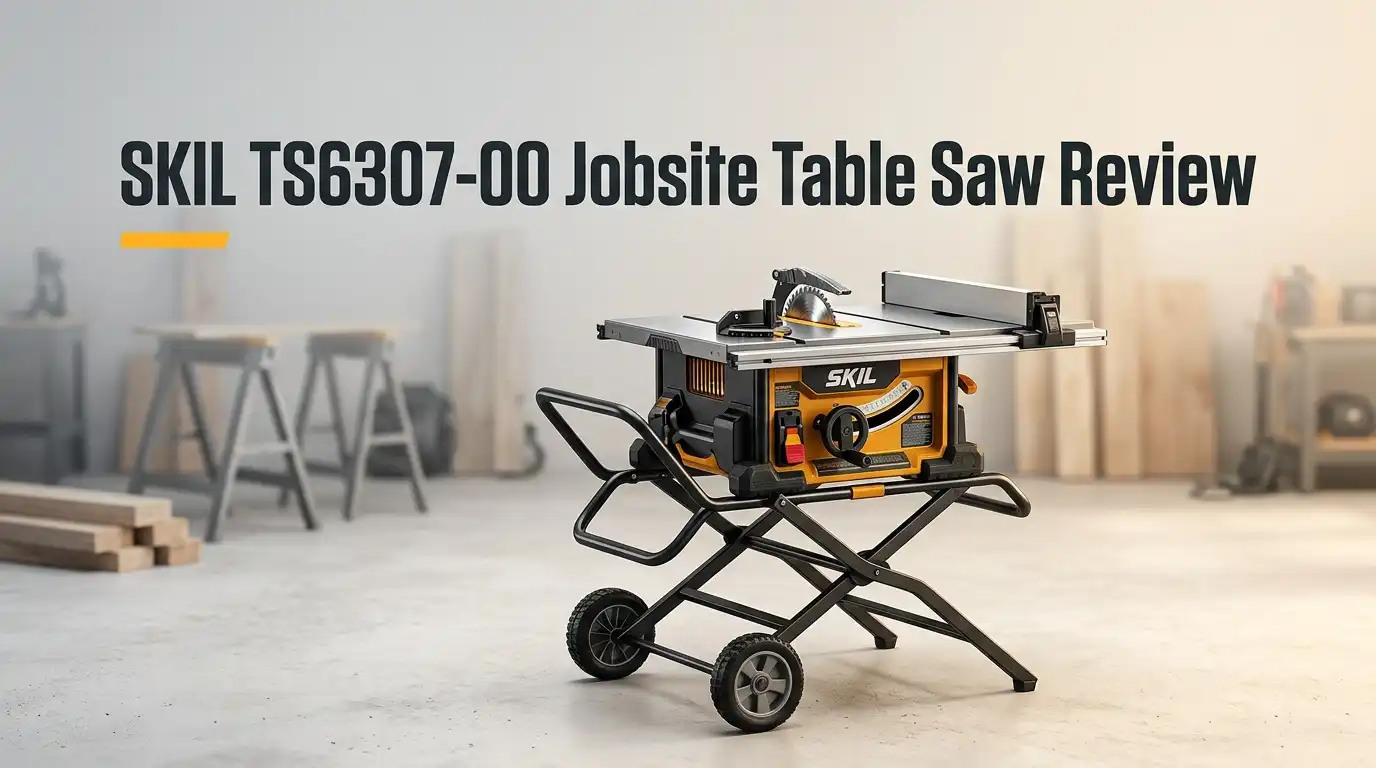
If you need a saw that goes where the work is, the SKIL TS6307-00 15 Amp Jobsite Table Saw deserves a close look. It brings serious cutting power to a compact frame. Many builders and homeowners want a tool they can move easily.
This saw features a 10 inch blade and a 15 amp motor that handles everyday ripping with ease. Its integrated folding stand makes setup quick on any site. You can fold it up and carry it to your next project.
Owners rate the build quality as good. One reviewer even called it the best portable table saw. Still, it has a few quirks worth knowing before you buy.
In this review, we explore how it performs, what owners say, and where it stands against rivals like the Hercules 15A table saw. Let’s get started.
In a Nutshell
-
Easy to move on site: The integrated folding stand lets you carry and set up this saw wherever the work happens. Its portable design suits contractors, DIY fans, and weekend builders who change locations often.
-
Wide cut range: The 25 and a half inch rip capacity handles large sheets and long boards with ease. You can rip wide panels without flipping pieces around, which saves time on longer projects.
-
Smooth fence control: Owners often praise the rack and pinion fence for quick, accurate width settings. A fence like this helps you repeat cuts across a batch of boards without constant measuring.
-
Noise to expect: One owner reported a thumping sound as the blade spins down after you switch off. Wear hearing protection and let the blade stop fully before you walk away.
-
Parts to watch: The saw has no locking arbor, so changing blades takes extra care. The plastic throat plate also feels cheap, so check it often for wear.
-
Compared to Skilsaw: Users say the build is good, but it does not match Skilsaw worm drive saws for raw strength. If you need heavy duty power, a worm drive model may suit you better.
Motor and Cutting Power


Last update on 2026-10-27 / Affiliate links / Images from Amazon Product Advertising API
Power matters most when the blade meets dense wood. This saw runs on a standard 120V plug, so it fits most outlets in a garage or on a job site. You do not need special wiring to get started.
A motor that feels strong under load keeps the blade moving through thick stock. When the blade slows down, the cut can burn and the wood can kick back. Keep steady pressure on the workpiece and let the blade do the work.
Hardwood asks more from any saw. Oak and maple push the motor harder than pine or fir. Make slower passes through hardwood and listen for changes in the motor sound. A change often means the saw needs a moment to catch up.
Long cuts also test endurance. Run the saw for long sessions and the motor will warm up. Give it short breaks between heavy rips. This habit protects the motor and keeps your cuts clean.
Extension cords matter too. A thin or long cord can cause a voltage drop, which weakens the motor. Use a heavy gauge cord that is as short as possible. When you can, plug the saw straight into the wall.
Blade choice changes how the motor feels. A blade with fewer teeth clears material fast and asks less effort from the motor. A blade with more teeth leaves a smoother edge but needs more patience. Pick the blade that matches your project, and the saw will feel more capable.
Dust also affects power. Sawdust can block the motor vents and make the motor run hot. A quick brush or a blast of air after each session keeps the saw cool and ready for the next job.
Rip Capacity and Fence System
The fence does more than guide the wood. It sets the width of every rip and decides how straight your edges turn out. Learning how it behaves makes the saw much easier to use.
Fence accuracy starts before your first real cut. Clamp a straight scrap board to the saw and run a test rip. Measure the width at both ends to confirm the fence runs parallel to the blade.
Always lock the fence after each adjustment. A fence that slips during a cut can pinch the blade or ruin the board. Lock it firmly, then push a small test piece through slowly.
Long panels need extra support. Heavy sheets can sag off the back of the table and pull the fence out of line. Set up roller stands or ask a helper to support the outfeed side.
Keep the fence rails clean. Sawdust builds up along the rails over time and makes the fence feel stiff. Wipe the rails with a dry cloth after each job.
Repeat cuts need a simple routine. Set the fence, make one cut, then measure the piece before you cut the rest. This quick step catches small errors early, so every board in the stack matches.
Hardwood can push against the fence harder than soft pine. Feed the board at a steady pace and keep gentle, even pressure against the fence. Let the blade do the cutting, not your arms.
Narrow rips call for extra care. When the leftover strip gets thin, your hands come close to the blade. Use a push stick to guide the piece past the blade and keep your fingers well clear.
A quick check before each project saves time and wasted material. Mark your cut line on the board and compare it with the blade position. Small habits like these help the fence deliver consistent results.
Portability and Folding Stand
Setting up on a jobsite takes more than good intentions. A stable base makes every cut safer and more accurate. This section looks at how the folding design handles daily use.
Ground matters more than you think. Uneven dirt or gravel can rock the saw from side to side. Lay down a plywood sheet or rubber mat first. This gives the legs a steady surface.
Folding the stand also takes some care. Lift the saw by its frame, not the table. Keep your fingers clear of the pinch points near the hinges.
Plan your folding routine. Lower the blade fully before you fold anything. Move loose cords and accessories out of the way first. Then fold slowly and watch each joint.
Weight is another factor for daily moves. The saw is heavy enough that two people make lifting easier. Many workers use a truck bed or a cart to protect their backs.
Storage matters too. Keep the saw covered during rain or dusty days. Moisture can rust the table and make the folding joints stiff over time.
Test the stand after every move. Give the table a gentle push. If it rocks or creaks, tighten the legs before you start cutting. A quick check prevents bigger problems later.
Setup time adds up over a long week. Practice the fold and unfold steps a few times at home. Most people learn the routine after two or three tries.
Cord placement matters during setup as well. Run the power cord along the back of the stand. This keeps it away from the blade and foot traffic.
Think about where the saw will sit between cuts. Leave space on both sides for long boards. A clear work zone lowers the chance of trips and bumps.
Small habits make portability work well. A steady base, careful folding, and a quick stability check keep the saw ready for any job site.
Top 3 Alternatives
DEWALT DWE7491RS

Last update on 2026-10-26 / Affiliate links / Images from Amazon Product Advertising API
Looking for a jobsite saw with a strong fence? The DEWALT DWE7491RS is a great pick. It uses a 10 inch blade and a 15 amp motor. The rack and pinion fence helps you make accurate cuts every time.
Its folding stand makes moving the saw around a site easy. Many carpenters choose it for ripping boards and cutting sheet goods. Setup takes only a few minutes, so you can start working fast.
Bosch GTS1031

Last update on 2026-10-28 / Affiliate links / Images from Amazon Product Advertising API
The Bosch GTS1031 offers a smooth and simple setup. It has a 15 amp motor and a 10 inch blade. Many users love its gravity rise wheeled stand.
This stand lets you lift and roll the saw with less effort. It works well for trim, framing, and quick rip cuts. Its fence helps keep your cuts straight.
Makita 2705X1

Last update on 2026-10-28 / Affiliate links / Images from Amazon Product Advertising API
The Makita 2705X1 brings solid cutting power to the job. It features a 15 amp motor and a 10 inch blade. Its fence and stand help keep your cuts true.
It is a practical choice for DIYers and pros who need a portable saw. Carry it from job to job with ease. Its compact body fits well in a truck bed.
Noise, Blade Spindown and Vibration
Noise is part of every table saw, but some sounds need a closer look. Most people expect a loud whir during a cut. A deep thump after the power goes off is different.
One owner reported a thumping noise during blade spindown. This sound can come from a blade that wobbles as it slows. Loose parts that shift when the motor stops can also cause it.
Start with a simple listening test. Run the saw with no wood, then switch it off and listen closely. Note when the thump starts and how long it lasts.
Next, check the blade and flange. Dirt or pitch on the flange can make the blade wobble. Wipe both surfaces clean before you tighten the nut. Then spin the blade by hand to see if it runs true.
Vibration often starts at the table. Tighten every bolt that holds the table, the motor, and the stand. Loose hardware lets parts rattle during each cut. Check these bolts once a week during heavy use.
Ear protection matters more than many people think. Table saws can reach noise levels that harm hearing over long sessions. Foam plugs or earmuffs cut the noise and keep your focus sharp.
Dust collection adds its own sound. A shop vacuum hose can hum or rattle near the saw. Keep the hose away from the motor housing and secure it with tape or a clamp.
Listen for changes over time. A new rattle or a rising hum often signals trouble before a part fails. Write down what you hear and when it happens. This habit helps you spot patterns fast.
If the thump stays after tightening and cleaning, pause use. Contact the manufacturer or a qualified repair shop. Never ignore a sound that keeps getting worse.
Quiet cuts come from steady habits. Tight hardware, clean parts, and a flat blade keep the saw calm. A calm saw is safer and easier to control.
Arbor Locking, Throat Plate and Safety Features
The SKIL TS6307-00 has no locking arbor. This means the blade can turn while you loosen the nut. Plan every blade change before you start.
Always unplug the saw first. Raise the blade fully, then use the correct wrench for the arbor nut. Keep your hands clear of the teeth at all times.
Check the arbor nut before each work session. A loose nut can let the blade wobble or slip during a cut. Tighten it firmly, but do not force it with extra leverage.
The throat plate is made from plastic. Plastic can flex, crack, or shift over time. A gap around the blade lets small offcuts drop below the table.
Make a zero clearance insert. Cut a piece of hardboard or plywood to fit the opening. Raise the blade through it so the slot matches the blade closely.
This tight fit supports small cuts and reduces tear out on the bottom of the board. Replace the insert when the edges start to fray or chip. Keep a spare piece ready.
Safety starts with your stance. Stand to one side of the blade, never directly behind the cut path. This keeps you clear if a board kicks back.
Use a push stick for narrow pieces. Keep your fingers well away from the blade. If your saw has a blade guard, keep it installed and check that it moves freely.
Clear offcuts with a stick, not your hand. Wait until the blade stops completely before you reach near the table. Good habits protect you on every project.
Set a clear work zone around the saw. Keep children and pets away while the saw runs. A tidy area reduces trips and mistakes.
Pros and Cons
Pros
– Rack and pinion fence helps with precise settings.
– One reviewer called it the best portable table saw.
– The 15 amp motor runs on standard 120V power.
– Rip capacity reaches 25 1/2 inches for wider boards.
– Many users rate the overall build quality as good.
Cons
– Build quality does not match Skilsaw worm drive saws.
– Blade spindown noise has been reported by at least one owner.
– The lack of a locking arbor makes blade changes take extra care.
Who Should Buy It
This saw suits people who work on the move. A carpenter who frames walls often needs a portable tool. This model travels well in a truck bed.
Hobbyists with small garages also benefit. Many home shops have little floor space. A saw that folds away fits into a corner between projects.
Fence builders and deck crews cut many boards in one day. A portable saw lets them move the setup from yard to yard.
Contractors doing trim or cabinet work can use it for quick rip cuts. It handles common lumber sizes without a large shop setup.
Crafters who build small furniture pieces also find it useful. Its size keeps the workspace tidy and manageable.
First time owners can start here. Beginners often feel nervous around big machines. A compact saw with a clear fence gives them room to learn basic cuts.
Still, new users should read the manual first. Slow, steady feeds build good habits from day one.
Weekend builders tackling fence boards, shelves, or raised garden beds get good use from it. These projects need repeat accuracy more than heavy capacity.
People who run production work should look elsewhere. A high volume cabinet shop needs a heavier saw with a sturdier table. This model suits lighter daily use.
Renters and apartment dwellers may appreciate the compact size. It stores easily in a closet, shed, or basement when not in use.
Ask a few simple questions before you decide. Do you move between job sites often? Do you cut mostly sheet goods or solid lumber? Do you have room for a stand that folds out?
If you answered yes to most questions, this saw could match your needs well. Take your time and think about your daily projects. Shoppers who want a simple, mobile saw will likely feel at home with it.
Final Verdict
The SKIL TS6307-00 makes a solid choice for people who need a table saw that moves easily. It folds up and fits in a truck bed. Its strengths show up on real job sites every day.
Think of this saw as a tool for the right job. It handles plenty of everyday cuts well. It is not a heavy duty shop machine for daily production work.
Shoppers often compare it with the Hercules 15A 10 inch table saw from Harbor Freight. Both models share a similar motor and blade size. The final choice comes down to how you plan to use the saw.
Pick this saw if mobility matters most on your projects. Choose a heavier cabinet saw if you cut thick hardwood all day. Your workspace and cutting habits should guide the decision.
Build a few simple habits from day one. Clean the table after each session. Check that all settings lock tight before every cut. These small steps keep the saw accurate and safe over time.
Think about your typical projects before you buy. Short runs of lumber and occasional sheet cuts suit this saw well. Heavy production runs push it further than it likes to go.
Expect some compromises with a machine this compact. The table will feel lighter than a stationary cabinet saw. Accept those limits and the saw rewards you with convenience.
Smart buyers test the saw before trusting it with big projects. Run a few practice cuts on scrap wood first. Watch how it handles, then decide if it fits your shop.
Overall, the SKIL TS6307-00 earns a spot on many jobsite lists. It delivers useful features for everyday carpentry and home projects. Its strengths match its design, and that matters most.
In short, this saw suits mobile builders who value convenience above raw power. Pick it for the jobs it does well, and it will serve you faithfully.
Frequently Asked Questions
Can I move this saw around a job site easily?
Yes, the integrated folding stand makes transport simple. You can fold the legs, lift the saw, and carry it to your next cut area. Always keep the blade guard in place while you move it.
How do I protect the plastic throat plate?
The throat plate is plastic, so it can wear or chip over time. Avoid dropping heavy stock onto the table near the blade slot. Check the plate often for cracks or rough edges.
How often should I tune up the saw?
Check the saw every few months, or before any big project. Look at blade height, fence alignment, and table flatness. A quick adjustment now prevents wavy cuts later.
Can this saw handle sheet goods like plywood?
It can rip plywood, but full sheets need support on both sides. Use an outfeed table or roller stand so the panel stays flat. Ask a helper to steady the sheet, since one person can struggle with a large panel.
Where should I store the saw between projects?
Keep the saw dry and covered when you are not using it. Moisture can rust the metal parts and slow down fence movement. Store it on a flat, level surface so the folding stand stays stable.

Hi, I’m Leah Ray — the voice behind CraftBench Vault. I’m a passionate woodworking enthusiast dedicated to reviewing the best wood cutting tools and woodworking products. Through honest research and hands-on experience, I help fellow crafters make smarter buying decisions. Welcome to my workshop!