
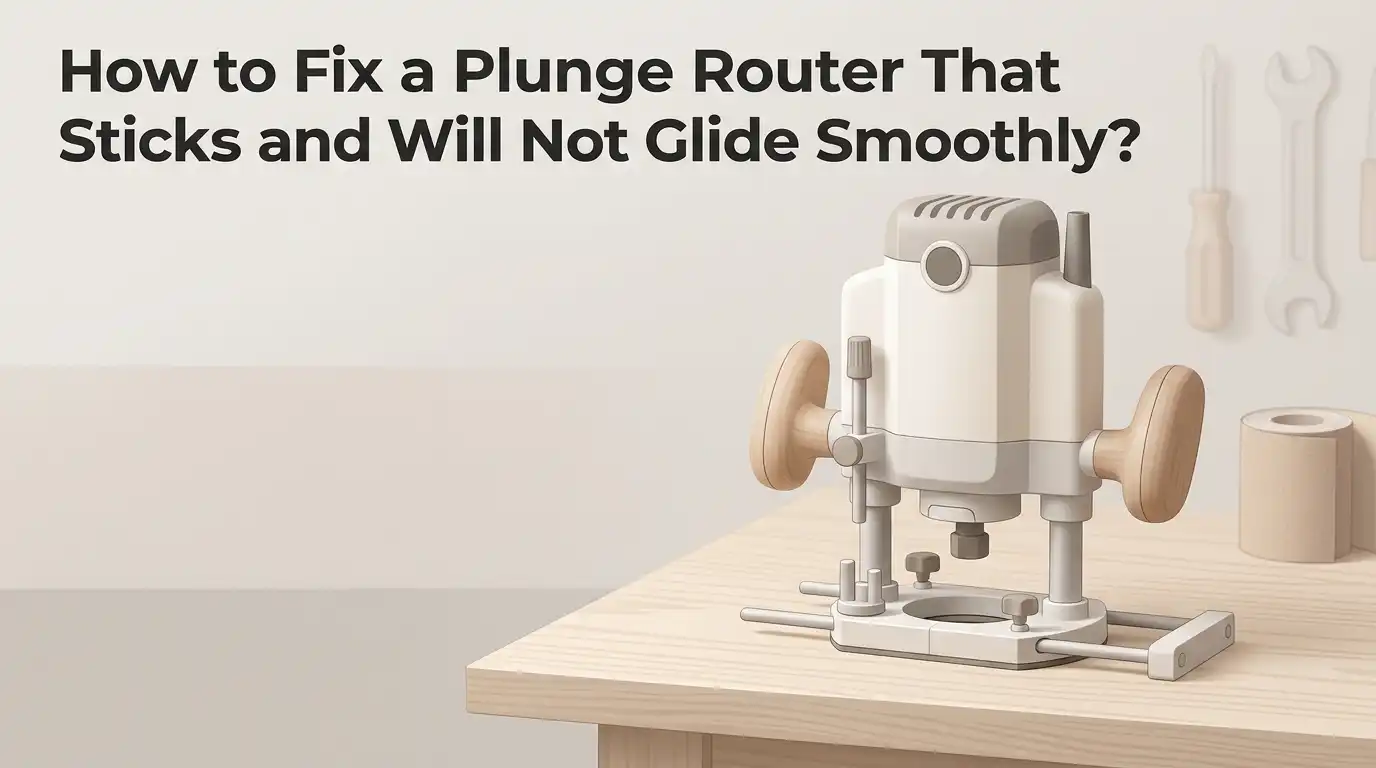
How to Fix a Plunge Router That Sticks and Will Not Glide Smoothly?
A plunge router should move with steady control. If it sticks, jumps, or feels rough, your cuts become harder, slower, and less safe. The good news is that this problem often comes from dirt, dry posts, lock issues, light rust, or simple wear.
That means you can fix it in your shop with basic tools and a calm plan. In this guide, you will learn the exact checks to make, the cleaning steps that help most, and the mistakes that can keep the router from moving well.
If your router feels rough, tight, or jerky, this guide will help you find the cause and fix it. Start simple, test often, and the plunge action can feel smooth again.
In a Nutshell
- Most sticky plunge routers have a basic cause. Dust, resin, dried grease, and light rust collect on the plunge posts and inside the guide system. That build up creates drag. A careful cleaning solves the problem in many cases. Do not jump to part replacement first.
- Use the right lubricant. A dry lubricant usually works better than a wet oil for plunge posts. Wet oil can hold dust and turn into sticky paste over time. Dry film products, graphite, or a light wax on the correct surface often keep movement smoother and cleaner. Still, always check your manual before you apply anything.
- The plunge lock can create more trouble than people expect. If the lock is too tight, dirty, or out of line, it can mark the post and make the router catch during travel. A small burr on the post can make every plunge feel rough. A quick check here can save a lot of time.
- Stiff movement does not always mean bad lubrication. Return springs, loose screws, bent parts, and base misalignment can also cause drag. Some routers feel dry from the factory. Others get tight after months of dust and shop moisture. You need to inspect the whole path of movement, not one part only.
- Smooth plunge action and smooth travel on wood are different problems. The router can plunge well but still drag on the work surface because the base plate is dirty, scratched, or dry. A clean base and a light coat of wax can help the router slide easier across the board. This step improves control right away.
- Fix the problem in stages and test after each stage. Clean first. Check the lock. Inspect the posts. Lubricate with care. Then test the router without power. This method helps you see what actually solved the issue. It also lowers the chance of adding too much lubricant or taking apart parts that were fine.
Why a Plunge Router Starts to Stick
A plunge router sticks because something adds friction to the moving parts. The most common causes are dust, pitch, dried grease, light rust, and marks on the plunge posts. If the router lives in a damp shop, corrosion can start fast. If it works in a dusty shop, fine dust can pack into the guide area and slow the motion.
Another common cause is the wrong lubricant. Wet oil may feel good at first, but it can trap dust and turn gummy later. That sticky film makes the plunge rougher over time. A tight plunge lock can also scar a post and create a catch point every time the router moves.
Pros of finding the real cause first: you save time, avoid waste, and reduce guesswork. Cons: it takes patience and a full inspection. Still, this step matters because the right fix depends on the real source of the drag.
Start With Safety and a Quick Test
Unplug the router before you touch anything. Remove the bit. Lower the router by hand and feel the full travel from top to bottom. Do this slowly. Then do it again with the plunge lock open and closed. This quick test tells you where the problem begins and whether the lock is involved.
Next, check if the router sticks at one spot or through the full stroke. A single tight spot often points to a nick, burr, or bent part. A rough feel through the full travel often points to dirt, dried residue, or poor lubrication. Also press both handles evenly. If it feels smoother with even pressure, one side may be binding.
Pros of this test: it is free, quick, and very clear. Cons: it does not repair anything by itself. Still, this simple check gives direction before you start cleaning or taking parts apart.
Clean the Plunge Posts and Guide Tubes
Start with the plunge posts because they collect a lot of fine dust. Wipe each post with a clean cloth. If you see resin or dark film, use a small amount of cleaner on the cloth and wipe again. Do not soak the tool. Keep liquid away from the motor and switches. Use a soft brush to lift packed dust from the guide area.
If your router allows safe access, clean around the guide tubes and spring area too. The goal is to remove dry dirt first, then remove sticky residue second. A slow and careful clean works better than flooding the parts. After cleaning, cycle the plunge action by hand several times to feel if the drag is already lower.
Pros: cleaning is cheap and often fixes the issue fast. Cons: deep dirt inside the guide system may need more time and partial disassembly. Even so, this step solves a large share of sticking problems.
Check the Plunge Lock and Depth Stop
The plunge lock must release fully and clamp evenly. If it stays partly engaged, the router will drag during movement. Open and close the lock several times. Watch the contact point if you can see it. Look for dirt, wear, or a brass pad that no longer sits flat. Also inspect the depth stop rod and turret. If these parts are dirty or rubbing, they can add resistance.
Look closely at the plunge post near the lock contact area. A small mark, flat spot, or scratch can cause a catch every time the router passes that point. A lock that is too tight can create that damage over time. Tight enough to hold is enough. More force is not better.
Pros: this check can reveal a hidden cause many people miss. Cons: some lock parts are hard to see without partial disassembly. Still, this area deserves attention because one small defect here can ruin smooth plunge action.
Choose the Right Lubricant for Smooth Travel
After cleaning, use a lubricant that does not hold dust. In many cases, a dry lubricant is the best choice for plunge posts. Graphite and dry film sprays are common options. Apply a light amount, then cycle the plunge action by hand. More lubricant does not mean better movement. A thin coat works better than a wet layer.
Some users also like a very light wax on the posts or on the router base, but you should check your manual first. Wet oils can attract dust and form sticky build up, so use caution. If your router has protected guide parts or special bushings, follow the maker instructions before using oil or solvent.
Pros of dry lubricant: stays cleaner and resists dust build up. Cons: it may need fresh application after heavy use. Pros of wax: easy glide and simple use. Cons: too much wax can collect grime. Use less than you think you need.
Polish Light Rust and Small Marks on the Posts
If the plunge posts show light rust, tarnish, or tiny rough spots, clean them with care. A soft cloth and a mild metal polish can help remove surface haze. Work slowly and polish the post evenly. Then wipe all residue away. If you see a tiny burr from a lock mark, smooth it very lightly so the post feels even again.
Do not sand hard or remove a lot of metal. You want a smooth surface, not a smaller post. Heavy sanding can create more play and wobble later. After polishing, clean the posts again and test the plunge action before adding lubricant. Many routers improve a lot at this stage because the surface friction drops.
Pros: this method helps when the router binds at one rough point. Cons: too much polishing can damage the fit. Stay gentle and stop as soon as the travel feels smooth and even.
Inspect the Springs and Return Action
Plunge routers use springs to push the motor back up after the cut. If a spring is dirty, worn, or out of place, the router can feel rough or uneven. Press both handles and notice whether one side feels heavier. A weak return, crooked rise, or scraping sound can point to spring or guide trouble.
Some routers feel extra stiff because the springs are strong, especially under heavy shop use. That stiffness can feel like binding even when the posts are clean. Still, do not remove springs unless your manual allows it and you fully understand the setup. A missing or wrong spring can change control and safety.
Pros of inspecting springs: it helps you catch uneven action early. Cons: spring access can be awkward, and disassembly can be tricky. If the router still feels rough after cleaning and lubrication, the spring system is worth a careful look.
Check for Loose Screws and Base Misalignment
A plunge router needs both sides of the guide system to stay in line. If a screw works loose, the router can wobble and bind. Check visible screws around the base, guide posts, handles, and depth stop parts. Tighten anything loose, but do not force it. A small shift in alignment can change the plunge feel a lot.
Now set the router on a flat bench and look for signs that the base sits unevenly. If one guide post seems to move before the other, the body may be slightly out of line. A router that wobbles often feels sticky because the posts do not travel true. Alignment matters as much as lubrication.
Pros: tightening and alignment checks cost nothing and can fix wobble fast. Cons: bent cast parts or worn bushings will not improve with simple tightening. Even so, this step is smart because a loose fastener can undo every other repair.
Help the Router Glide Better on the Wood Surface
Sometimes the plunge action is fine, but the router still feels hard to control because the base drags on the wood. Dirt, pitch, scratches, and a dry base plate create friction. Clean the base plate well. Then check for nicks or raised spots that may catch on the work. A smooth base helps the router move with less effort.
A light coat of paste wax on the router base can help it slide better across the board. This fix improves surface glide, which is different from internal plunge travel. It can make routing feel easier right away, especially on large panels. Keep the wax light and buff it well so it does not smear or grab dust.
Pros of waxing the base: fast, cheap, and helpful for control. Cons: it does not fix internal binding. Use this method as a support step, not as the only repair if the plunge posts still feel rough.
Test the Plunge Action and Fine Tune It
After each fix, test the router again with no power and no bit. Push down with even pressure on both handles. Watch for smooth travel, even return, and a clean lock release. Then set a shallow depth stop and test the action again. A router should move in a steady way and stop where you set it.
If the action is smoother but still not perfect, repeat the last useful step instead of changing five things at once. A second careful cleaning or a smaller amount of lubricant may improve the feel more than a full tear down. Small changes are easier to judge and safer to reverse.
Pros of staged testing: you learn what worked and avoid new problems. Cons: it takes more patience. But this method gives the clearest result and helps you keep the router reliable for future work.
Mistakes That Make the Problem Worse
One common mistake is using too much oil. It can turn dust into paste and make the router stick more a week later. Another mistake is forcing the plunge lock very hard. That can mark the post and create a rough spot. Some users also flood the guide area with cleaner, which can wash away useful lubrication in parts that need it.
Another bad move is heavy sanding on the plunge posts. A post should be smooth, but it should also keep its shape. Too much abrasion can create slop and wobble. Do not ignore rust, wobble, or uneven return action either. Those signs often grow worse with use.
Pros of avoiding these mistakes: longer tool life and fewer repeat repairs. Cons: the fix may feel slower because you work with more care. Still, careful work beats a fast repair that causes new trouble next month.
When a Repair Shop or Replacement Parts Make Sense
If the router still binds after cleaning, dry lubrication, lock inspection, and alignment checks, the problem may be deeper. Worn bushings, bent posts, damaged springs, cracked cast parts, or a faulty lock assembly can keep the plunge action rough. At that point, replacement parts or a repair shop may be the smart move.
A service visit also makes sense if the router has side play, deep scoring on the posts, or a spring that does not return the motor body in a steady way. These faults can affect cut quality and safety. If the cost of repair is close to the value of the tool, compare that cost with a new router and decide with care.
Pros of professional repair: accurate diagnosis and proper parts. Cons: cost and wait time. If the router is a high quality tool, repair often makes sense.
FAQs
Can I use regular oil on plunge router posts?
You can, but it is often a poor long term choice. Regular oil can trap dust and create sticky residue. A dry lubricant is usually a cleaner option. Check your router manual first because some models have their own care rules.
Why does my router stick more at one point in the plunge stroke?
That usually points to a rough spot, small burr, lock mark, or slight misalignment. Clean the posts first. Then inspect the area where the lock touches the post. A tiny mark there can cause the same catch every time.
Should I remove the plunge springs to make the router easier to move?
Do not remove springs unless your manual allows it and you understand the setup. Springs affect control and return action. Removing them can change how the router behaves and may reduce safety during normal hand held use.
What is the fastest fix for a plunge router that feels rough?
The fastest fix is a careful clean of the plunge posts and guide area, followed by a light application of dry lubricant. Then test the motion by hand. This simple process solves many cases without deeper repair.
How often should I clean and lubricate a plunge router?
Clean it whenever you see dust build up, pitch, or rough movement. Light maintenance after heavy routing sessions helps a lot. If the router lives in a damp or dusty shop, check the plunge posts more often and keep the base plate clean.
Why does the router glide badly on wood even after the plunge feels smooth?
That points to surface drag, not plunge binding. Clean the router base plate and check for scratches or sticky residue. A light coat of paste wax on the base can help the router slide more easily across the work surface.

Hi, I’m Leah Ray — the voice behind CraftBench Vault. I’m a passionate woodworking enthusiast dedicated to reviewing the best wood cutting tools and woodworking products. Through honest research and hands-on experience, I help fellow crafters make smarter buying decisions. Welcome to my workshop!